
Threats
Operation TorNado: 354 Arrested as Police Mine Seized Dark Web Market Data
The storefronts were already dead. Their order books were not. Eighteen months of work through seized marketplace data produced the largest arrest count in the JCODE series.
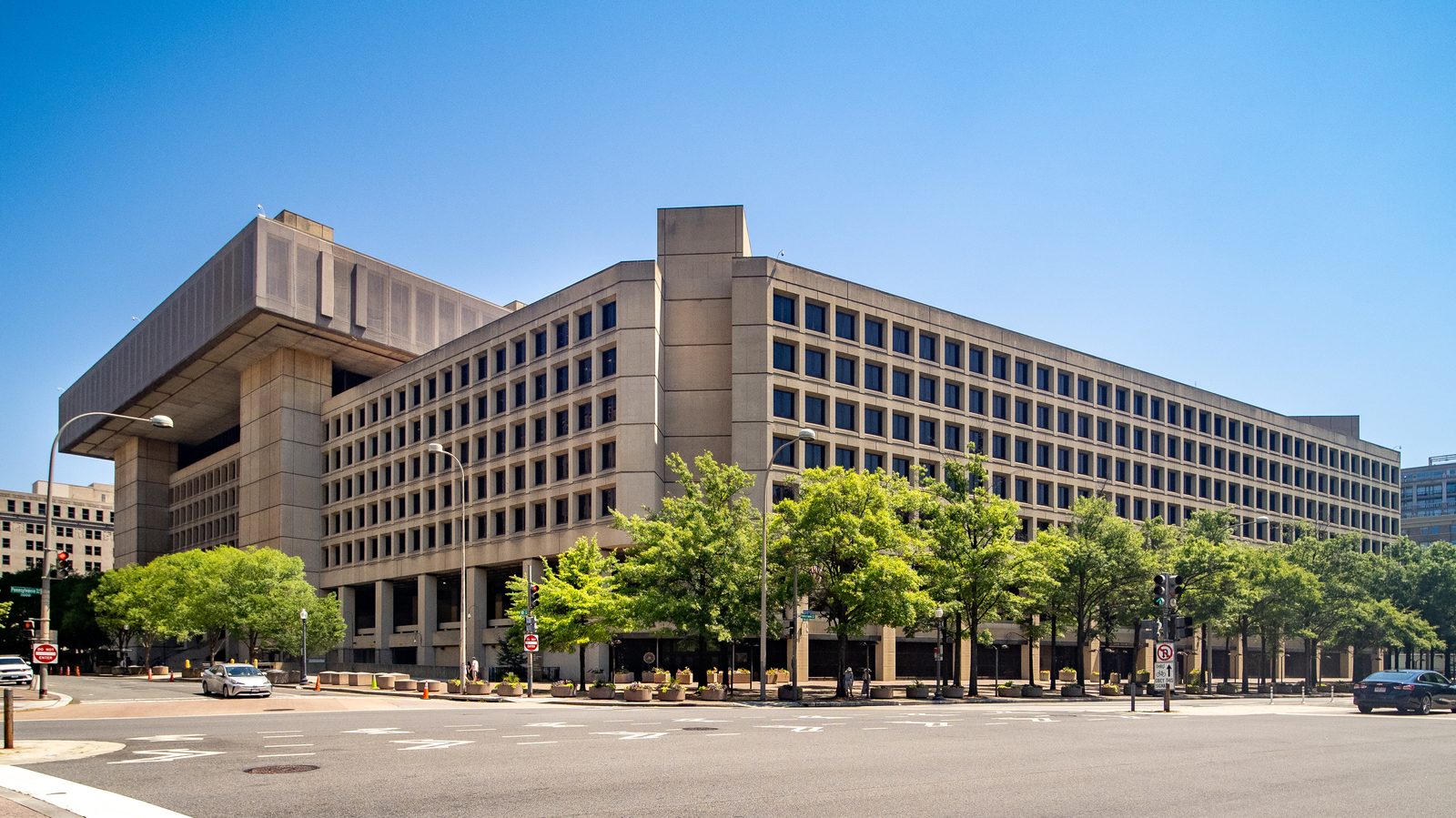
Photo: ajay_suresh, CC BY 2.0, via Wikimedia Commons
A marketplace takedown used to be the end of a case. Operation TorNado is the latest proof that investigators now treat it as the beginning. The Department of Justice and Europol announced on November 12, 2026 that a coordinated operation running from May 2025 to October 2026 across 14 countries had produced 354 arrests of dark web drug vendors and buyers, built substantially on data seized from five marketplaces that law enforcement had already shut down: Archetyp, Bohemia, Nemesis, Kingdom and Tor2Door. The seizures that accompanied the arrests came to more than $234 million in money and cryptocurrency, roughly 5.7 metric tons of drugs (among them fentanyl and other opioids, methamphetamine, heroin, cocaine and MDMA, the compound also sold as ecstasy), 209 firearms and 38 pill presses.
The operation was run through the Joint Criminal Opioid and Darknet Enforcement team, known as JCODE, together with Europol. The Justice Department calls TorNado the sixth internationally coordinated action since JCODE was created in 2018, the most extensive of them, and the direct successor to last year’s Operation RapTor. FBI Director Kash Patel called it “the largest interagency takedown of Dark Web drug vendors and buyers to date”. The arrests by country were led by the United States with 132, followed by the United Kingdom with 59, Hungary with 45, Germany with 41 and France with 23, with the remainder spread across New Zealand, the Netherlands, Slovenia, Austria, Ireland, Czechia, Australia and Finland.
How seized data becomes arrests
The method is the story. After the earlier marketplace takedowns, agencies in the participating countries obtained the markets’ own records and used them to attribute vendor accounts to real individuals, working through order histories, vendor messages and cryptocurrency trails. The Justice Department says vendor accounts were identified on markets including Archetyp and DrugHub and tied to named people selling illicit goods, and that a number of investigations are still running to identify the individuals behind accounts not yet resolved. That is why the arrests arrived as one announcement covering eighteen months of work rather than as a single raid: each account in the seized data is a separate case to build.

Photo: Tim Evanson, CC BY-SA 2.0, via Wikimedia Commons
One case from the file
Among the dozens of federal prosecutions the department lists is the case against Stanislav Chernyshov, 30, and his brother Vladislav Chernyshov, 35, arrested in Florida for allegedly operating the dark web vendor account BarbaraWhite. Prosecutors allege the account sold counterfeit oxycodone M30 pills laced with nitazenes, synthetic opioids that can equal or surpass fentanyl in potency, and that laboratory testing, undercover buys and physical surveillance connected the brothers to a pill manufacturing and mailing operation behind more than a thousand parcels sent into 49 states; investigators say several recipients overdosed, some fatally. They are charged in the Eastern District of Virginia with conspiracy to distribute Schedule I synthetic opioids and face a maximum of 20 years in prison if convicted. The charges are allegations and have not been tested in court.
What TorNado changes
Six operations into the JCODE playbook, the pattern is settled enough to state plainly: the storefront is disposable and the ledger is not. Markets re-form under new names after every takedown, and Europol’s own statement on the operation noted the resilience of dark web marketplaces, which continue to adapt despite takedowns. What does not re-form is the history a market kept of its vendors and buyers, and TorNado’s arrest count, the largest in the series, was produced by mining that history at international scale. For vendors and buyers, the operational lesson runs opposite to the one the dark web sells: anonymity held while the market was live and failed retroactively, in bulk, once its records changed hands.
No corrections have been published for this article.