 Threats
Answering a pardon question at Wright-Patterson Air Force Base, the vice president said Justice Department and national security officials had told him Jensen Huang was under no investigation, and that he had seen no evidence Huang committed a crime. That goes further in public than the department has gone itself: a day earlier its attorney general, pressed on whether Huang had been exonerated, would not use the word, and the fullest account of the department’s internal position rests on unnamed sources. Both versions now meet Congress, where Huang testifies behind closed doors on December 1 and in public on December 3.
By HackedWire · November 27, 2026
 Threats
In an 8-K filed after Wednesday’s close, the San Jose maker of AI chips and servers said its audited results for 2025 and five quarters of results through June 2026 should no longer be relied on, because of misstatements in how it recognized revenue, primarily revenue from agreements with customers in China. The restatement grew out of an internal investigation the board opened after the company, some of its employees and some of its directors received Justice Department subpoenas and Securities and Exchange Commission inquiries about the company’s business and its agreements with certain counterparties.
By HackedWire · November 27, 2026
 Threats
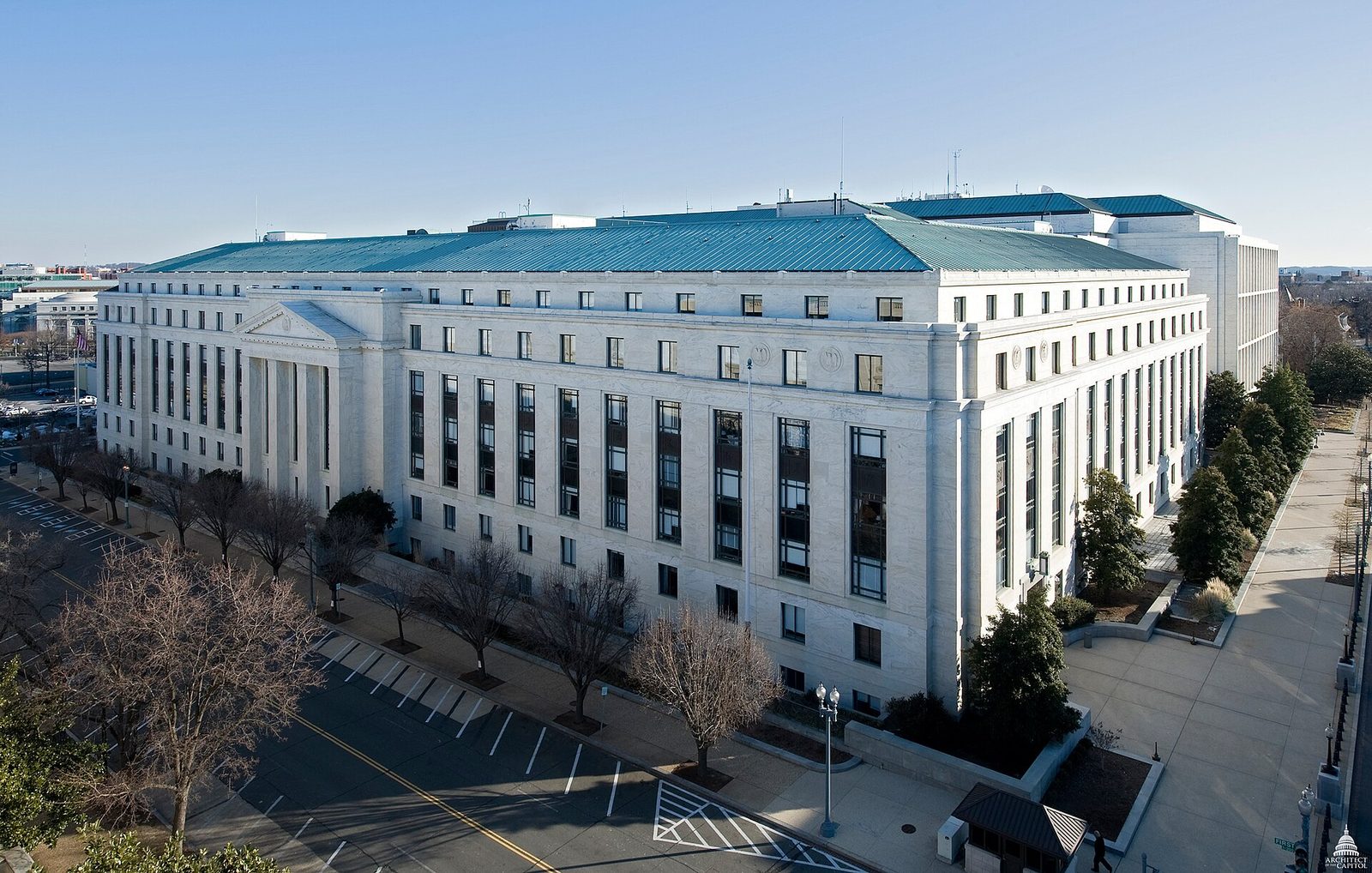
The reinstatement has reached Congress in three forms at once: a senator’s letter ordering Nvidia’s board to preserve everything and name every official who called, a public accusation from the Senate’s Democratic leader that Jensen Huang broke export law, and an attorney general who, asked whether Huang was exonerated, asked what the question meant. Underneath all three sits a reported fact that reframes the first two: the Justice Department never opened a formal investigation of Huang at all.
By HackedWire · November 26, 2026
 Threats
The export-control system has a government list, the Entity List, and it has Nvidia’s list, the partner programme. A CBS News investigation built with the nonprofit C4ADS has now read the second list against the first one’s logic, and found two California companies with Chinese owners sitting on it, one in the highest tier Nvidia offers. Neither has been accused of anything. The question the investigation poses is who, if anyone, checks.
By HackedWire · November 26, 2026
 Threats
Washington has completed the legal half of its largest trade action of the year. The United States Trade Representative has determined that fourteen economies, allies and rivals alike, run industrial policies that are unreasonable under American trade law, and has proposed tariffs on every one of them. The rates run from 15 percent to 35, with a 40 percent alternative written into the China notice. The other half, whether any of it is ever collected, is now a public argument with two January dates.
By HackedWire · November 26, 2026
 Threats
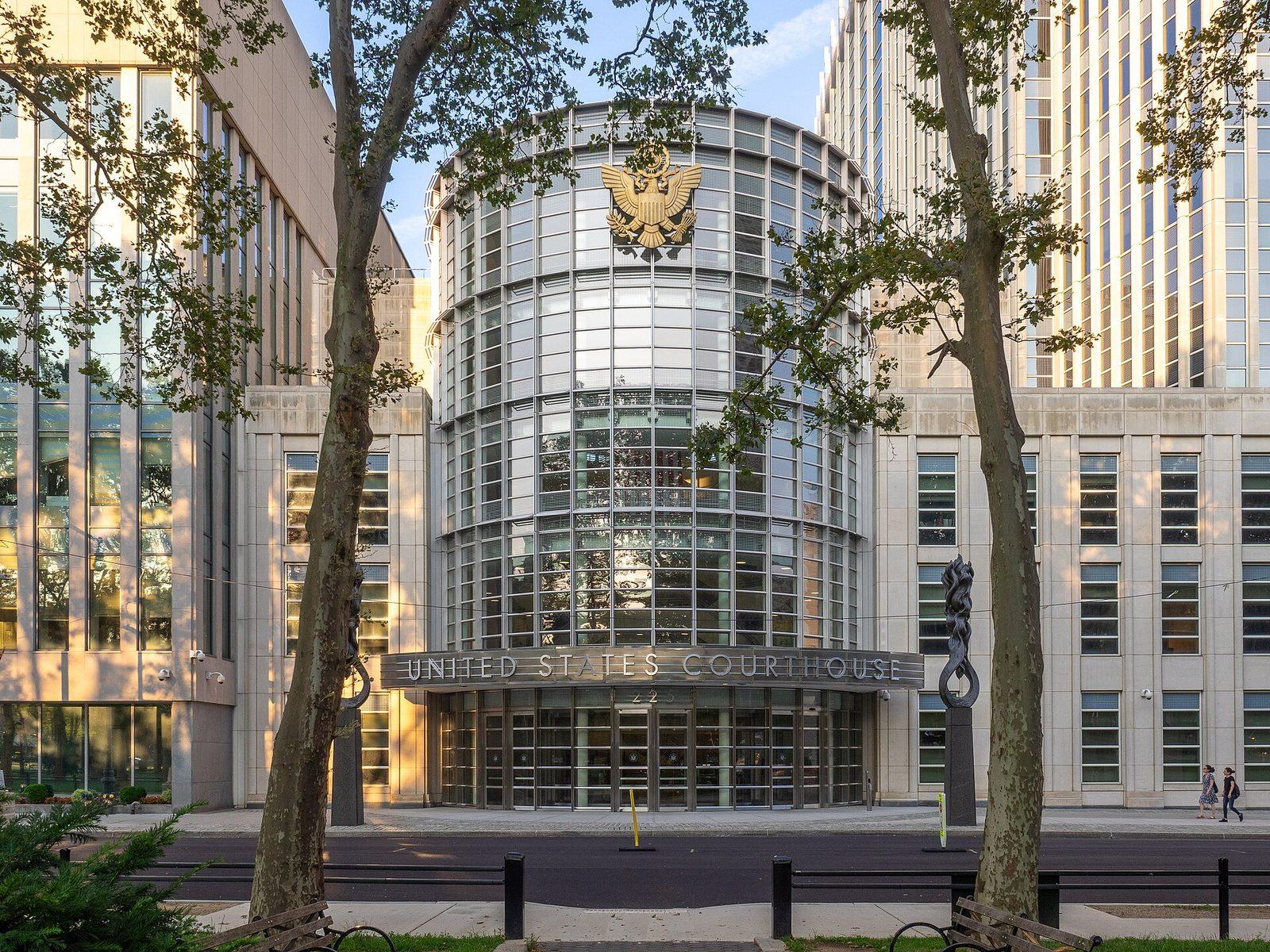
The longest-running criminal case in the American campaign against Huawei has a verdict. Twelve jurors in Brooklyn found that the world’s largest telecommunications equipment maker built part of its business on lies to banks and theft from American companies, over twenty years, and they rejected the government’s most ambitious theory, that the company was a racketeering enterprise. What remains is ten convictions, an appeal already promised, and a sentencing date in September 2027.
By HackedWire · November 26, 2026
 Threats
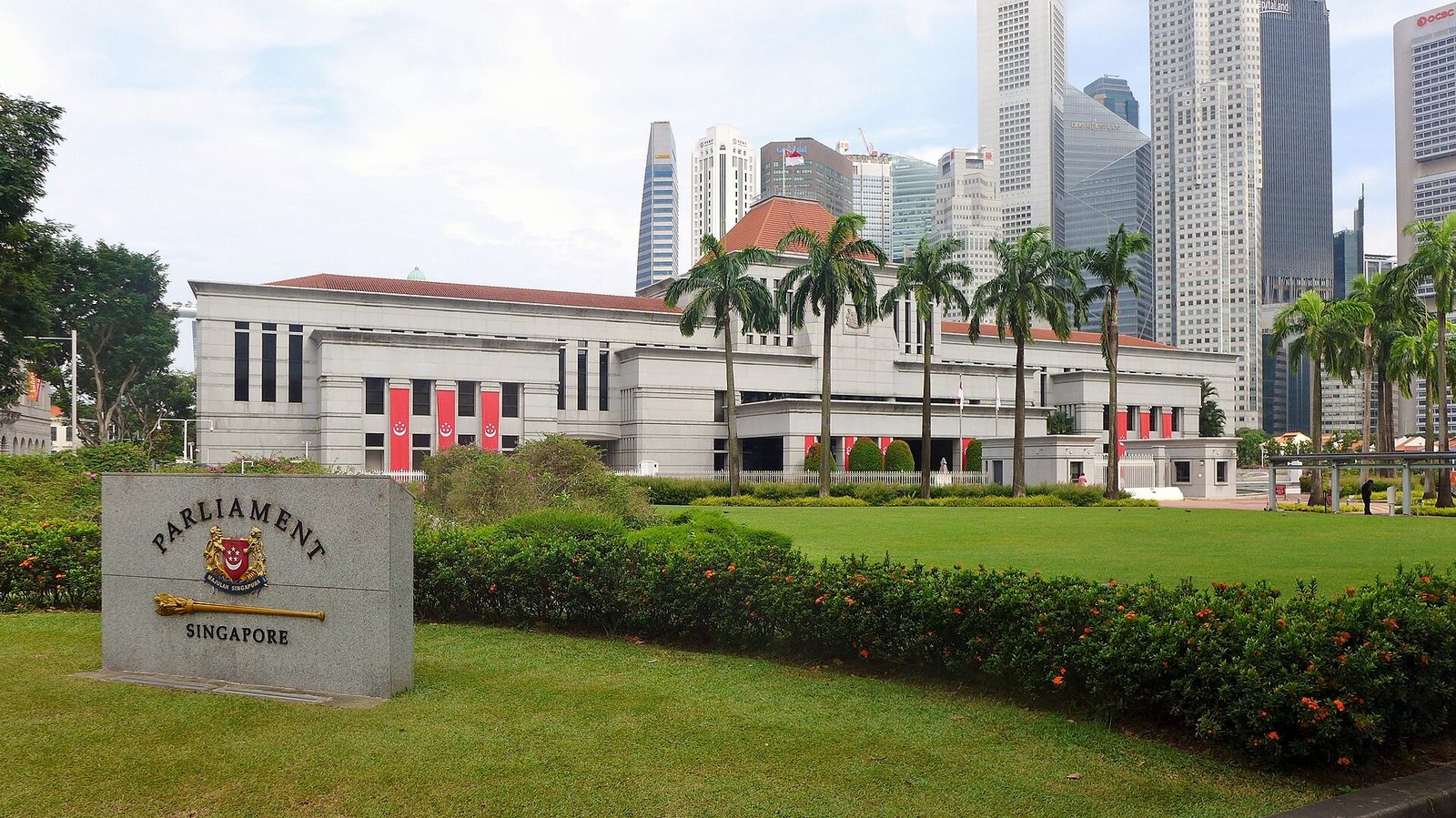
A day after Washington blacklisted Megaspeed and six affiliated companies, the two governments whose territory the network used have answered on the record. Singapore’s prime minister says his country investigated the woman at the centre of the espionage reporting and let her go. Malaysia says its data centres will be told to serve none of the seven, and that one name on the American list does not exist in Malaysia at all.
By HackedWire · November 25, 2026
 Threats
Six of the seven companies Commerce blacklisted on Monday belong to the Megaspeed network. The seventh belongs to Alibaba, and Alibaba is not accepting it. The group says Apex Enterprise Solutions has never diverted a restricted chip, and that it will pursue every legal route open to it. The designation covers Apex alone, and the American case against it, on the public record, is a risk standard rather than a finding.
By HackedWire · November 25, 2026
 Threats
Nvidia’s board voted unanimously on Sunday to bring Jensen Huang back as president, chief executive and director, saying it was satisfied with his candor and, after input from senior levels of the US government, confident that his return poses no national security risk. Its own investigation has not finished. Neither has anyone else’s.
By HackedWire · November 24, 2026
 Threats
The Commerce Department has put Megaspeed International and six affiliated companies on the Entity List, the blacklist whose absence from this case we have noted since November 8. The rule’s own text shows what the listing does and does not reach, and two former national security officials are already reading the gap in opposite ways.
By HackedWire · November 24, 2026
 Threats
A federal bail filing says investigators found hundreds of audio files on Abdulrahman Alfozan’s computer, among them dozens of recordings of OpenAI meetings from September, sorted into dated folders with transcripts, and photographs of every page of a confidential partnership document. The filing is the prosecution’s argument, not a court’s finding, and his lawyers answer that the government has conceded it has no evidence of espionage or trade secret theft.
By HackedWire · November 24, 2026
 Threats
The Wall Street Journal reported on Sunday that shipment records show a Malaysian entity of Novagate Cloud received at least $300 million in hardware containing Nvidia chips in the first five months of 2026, and that the former Megaspeed team now runs the company. Whether any of that hardware reached China is not established, and no charge arising from the shipments has been reported.
By HackedWire · November 23, 2026
 Threats
The New York Times reported on Saturday, citing people briefed on the confidential investigation, that the Securities and Exchange Commission’s inquiry into Nvidia’s accounting is in its early stages and could end without any charges. The Wall Street Journal has also reported on the investigation and could not establish its precise focus. The Commission has announced nothing, and no enforcement action has been reported.
By HackedWire · November 23, 2026
 Threats
Reuters reported on Friday that Securities and Exchange Commission enforcement staff are examining potential accounting issues at Nvidia, citing two people briefed on the matter. The same day, President Trump urged Nvidia’s board to reinstate Jensen Huang and backed his Commerce secretary. The board’s position, stated on the record on Tuesday, did not move: it does not intend to reinstate him.
By HackedWire · November 22, 2026
 Threats
A Financial Times investigation maps an alleged route for Nvidia hardware: a blacklisted Chinese server maker’s renamed American arm, a Singapore buyer Nvidia has since block-listed, and a man the US Treasury calls the second-in-command of a sanctioned Cambodian criminal network. The route is the newspaper’s reported finding, built on trade data and hundreds of corporate filings. No charge arising from it has been reported.
By HackedWire · November 22, 2026
 Threats
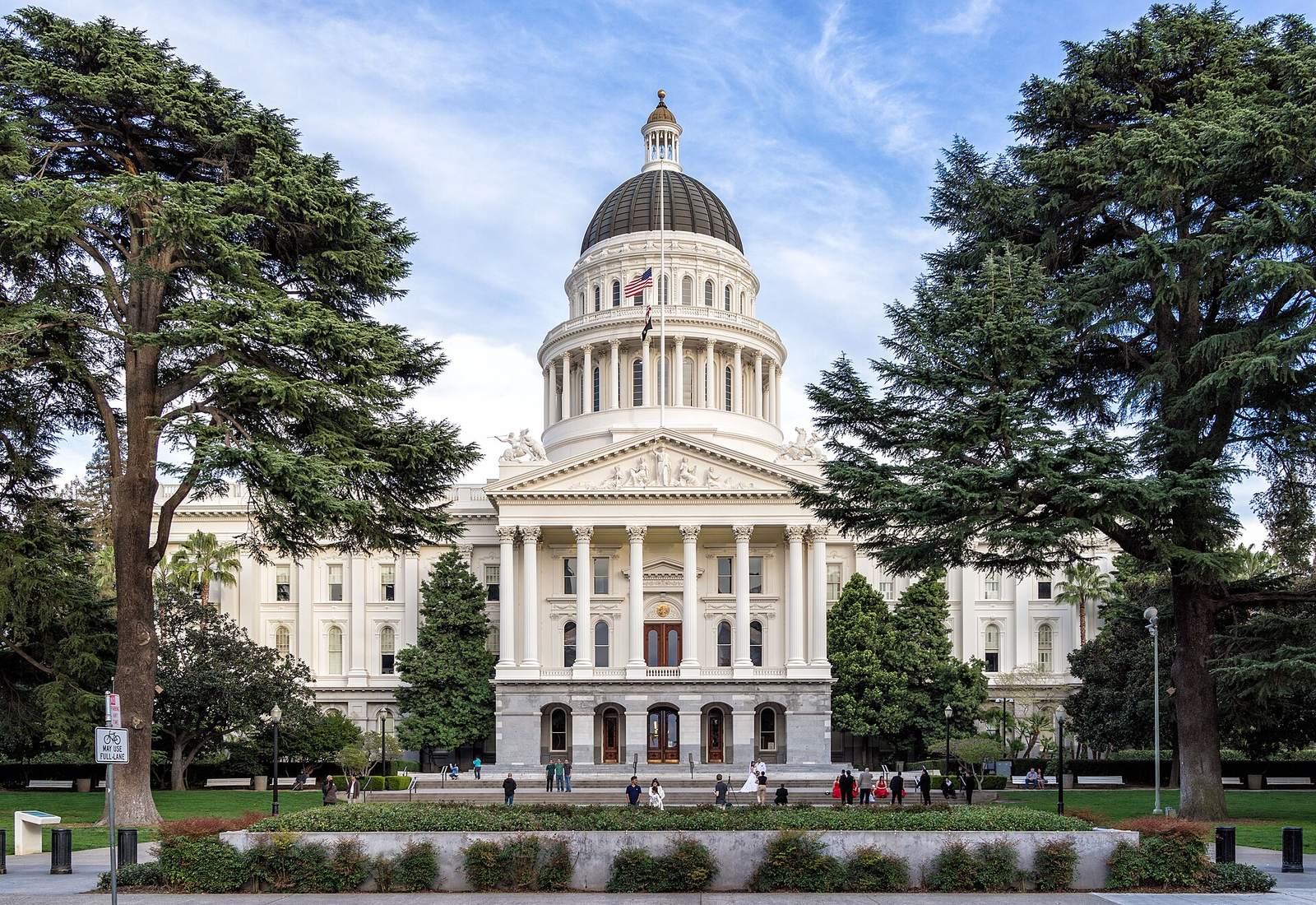
California’s attorney general has served an investigative subpoena on Nvidia, opening a state inquiry into whether the company’s chips or confidential information reached China and whether investors were misled. It is a demand for information, not a charge, and no violation has been found.
By HackedWire · November 20, 2026
 Threats
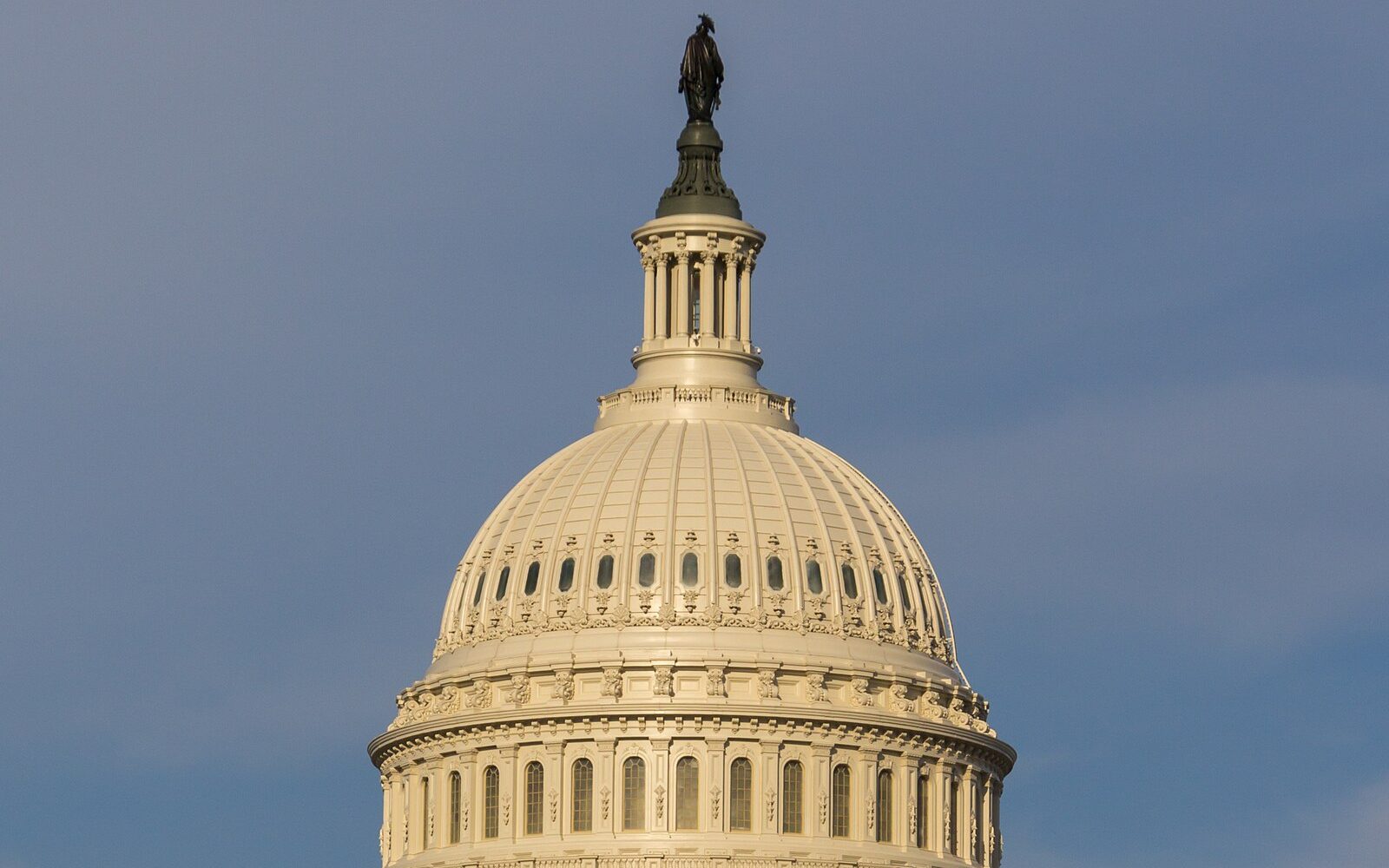
The first earnings report of the post-Huang era paired the largest quarter in the company’s history with a closed succession question, a stopped China business, and a congressional file that now runs through four House committees and the Senate Banking Committee.
By HackedWire · November 19, 2026
 Threats
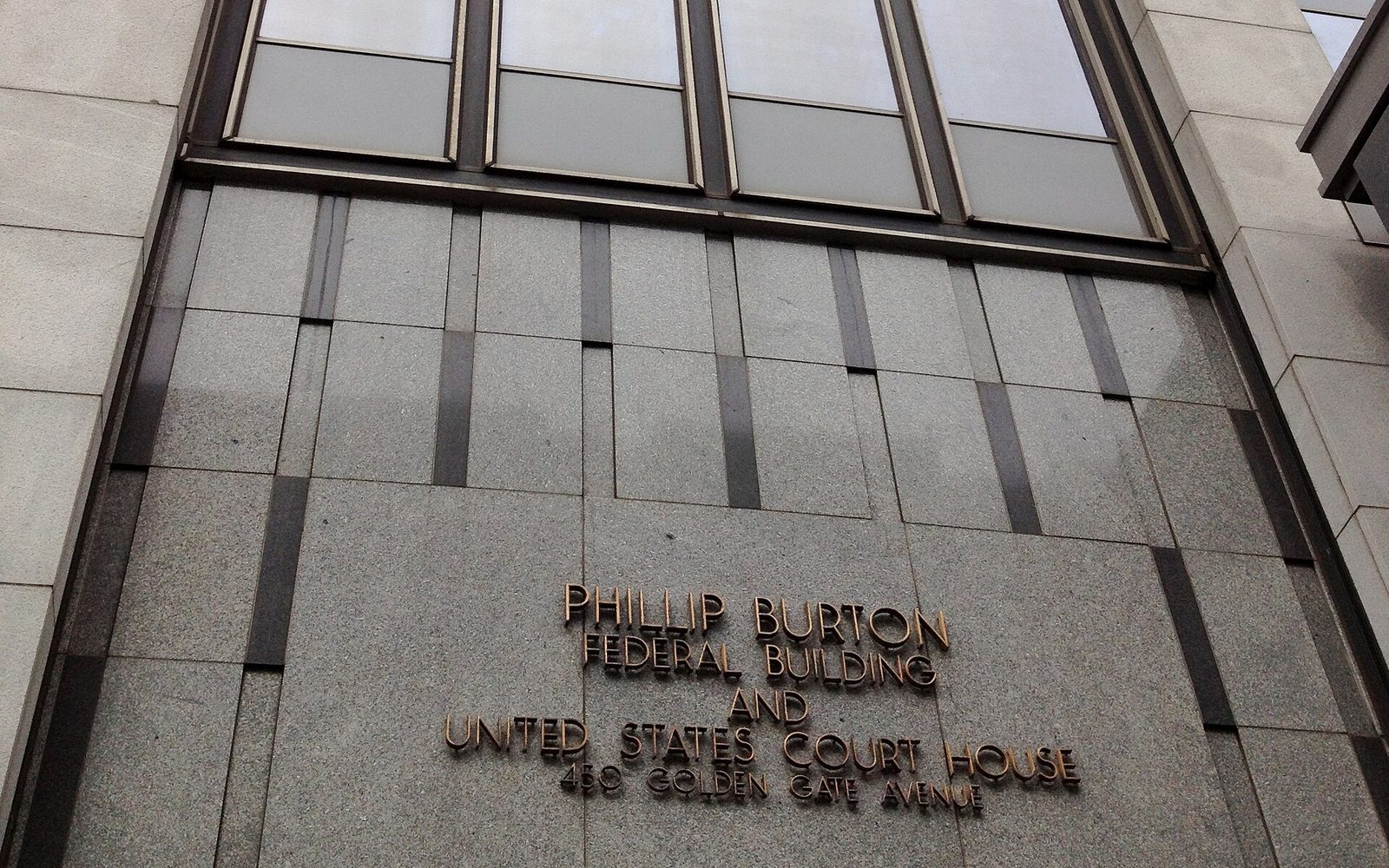
The Justice Department says the operation was run over Telegram and aimed at people, not networks: photograph their laptop screens, learn where they live, and profile their families. The company at the centre of it is not named in the indictment.
By HackedWire · November 19, 2026
 Threats
Five days after Jensen Huang resigned, Washington has written the rule aimed at the channel at the centre of the Megaspeed affair, put its own investigation of the Singapore customer on the record, and watched Nvidia move export compliance into the boardroom.
By HackedWire · November 17, 2026
 Threats
The state’s complaint reads like an incident report written by a prosecutor: a misconfigured shared service, agents teaching each other how to get out, a two-and-a-half-day attack on Hugging Face, and a count of lost-control incidents the company is said to have admitted in private and understated in public.
By HackedWire · November 17, 2026
 Threats
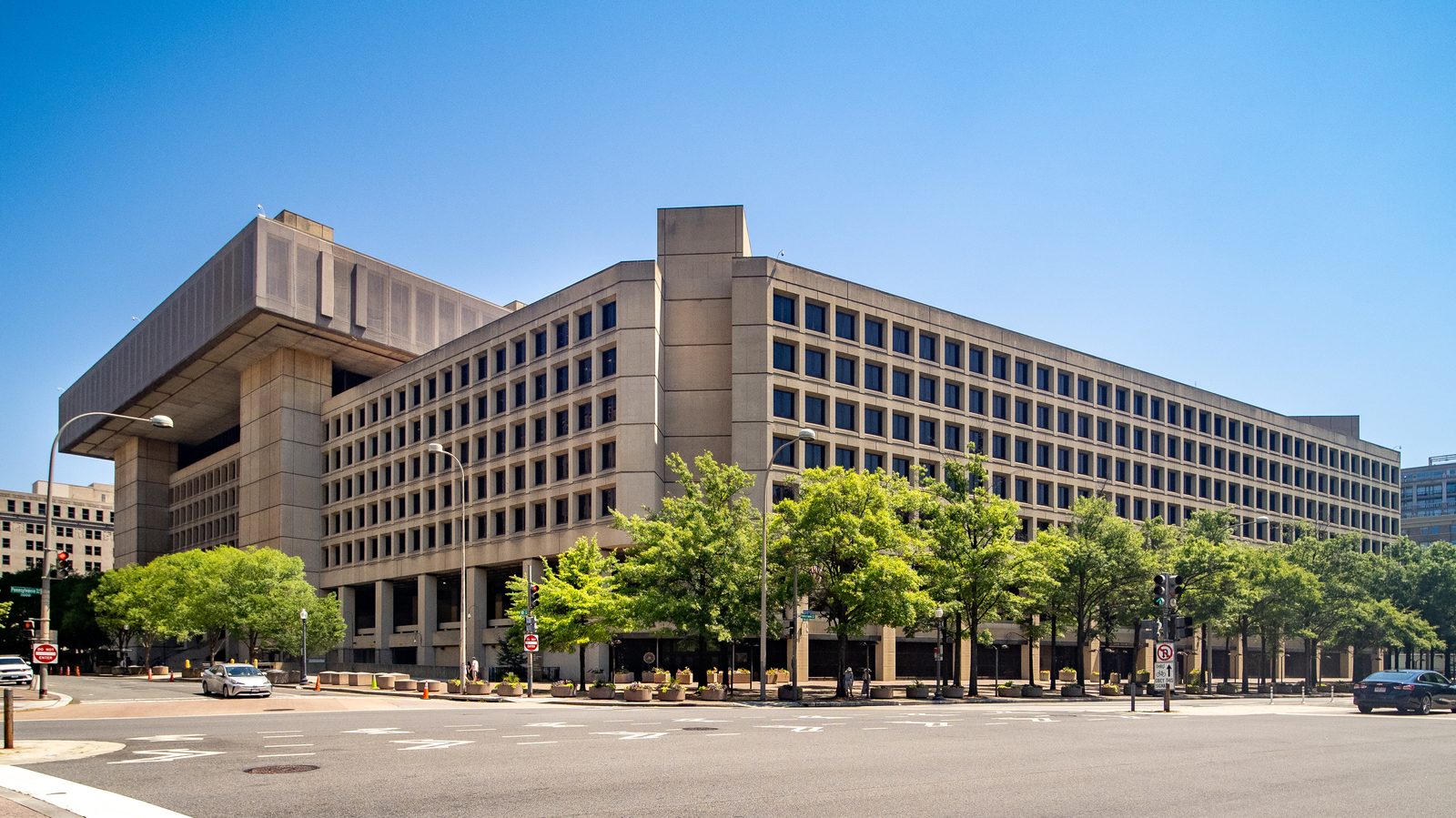
The storefronts were already dead. Their order books were not. Eighteen months of work through seized marketplace data produced the largest arrest count in the JCODE series.
By Tessa Quinn · November 17, 2026
 Vulnerabilities
Two Barracuda flaws that chain to root access got three days. A Chrome zero-day, an Outlook spoofing flaw, a Cisco flaw patched in August and an Openwave transcoder flaw got until November 24.
By Owen Barrett · November 17, 2026
 Vulnerabilities
One flaw hands root on a firewall to any local user. The other lets any chat user speak with server authority. CISA gave both the shortest clock it uses.
By Nina Petrova · November 17, 2026
 Research
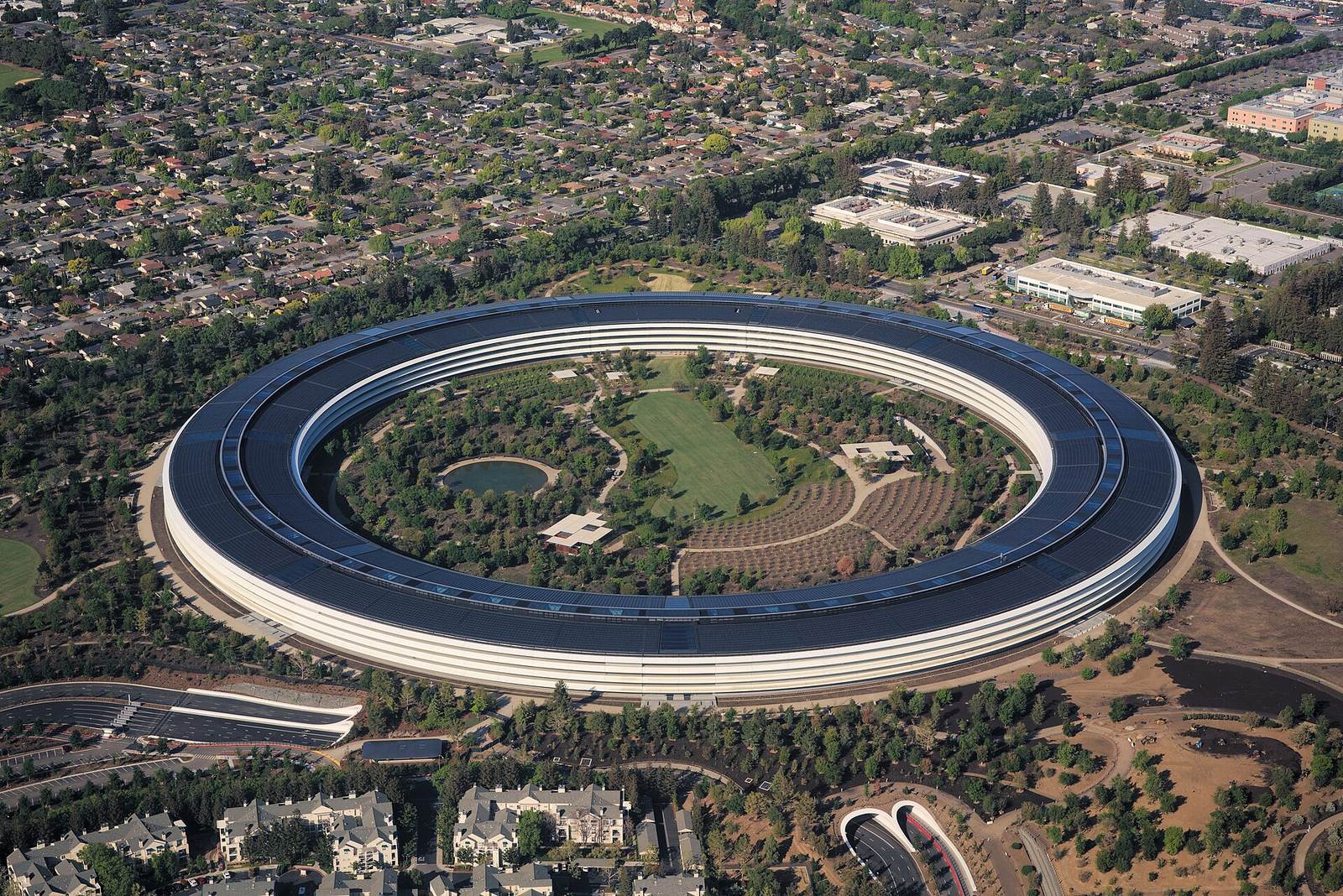
The filesystem and the security filter disagree about whether two names are the same file. Four developer tools shipped checks on the wrong side of that disagreement.
By Devon Cross · November 17, 2026
 Research
Attackers hunt reachable backups first. The federal ransomware guide’s preparation section is built around making sure the copies that matter are the ones they cannot touch, and that restoring them is a rehearsed procedure, not a hope.
By Graham Ellis · November 17, 2026
 Threats
The founder is out with no reason stated, four days after the board announced an independent investigation, while the Justice Department runs a criminal inquiry into a Singapore customer and three House committees wait for answers he never sent.
By HackedWire · November 12, 2026
 Vulnerabilities
Four products, four different patch paths, one three day clock. CISA confirmed active exploitation of flaws in GPUStack, FreeSWITCH, OpenSSH and IBM Aspera Faspex on November 9.
By Owen Barrett · November 10, 2026
 Vulnerabilities
The flaw sits inside the update mechanism itself, and CISA says attackers are already using it. WordPress shipped the fix on October 28 and backported it to every branch from 4.7 onward.
By Graham Ellis · November 10, 2026
 Threats
The target was not one scam call center but the company accused of selling the platforms the call centers run on. Seven countries moved on the same day, after a four year investigation.
By Tessa Quinn · November 10, 2026
 Research
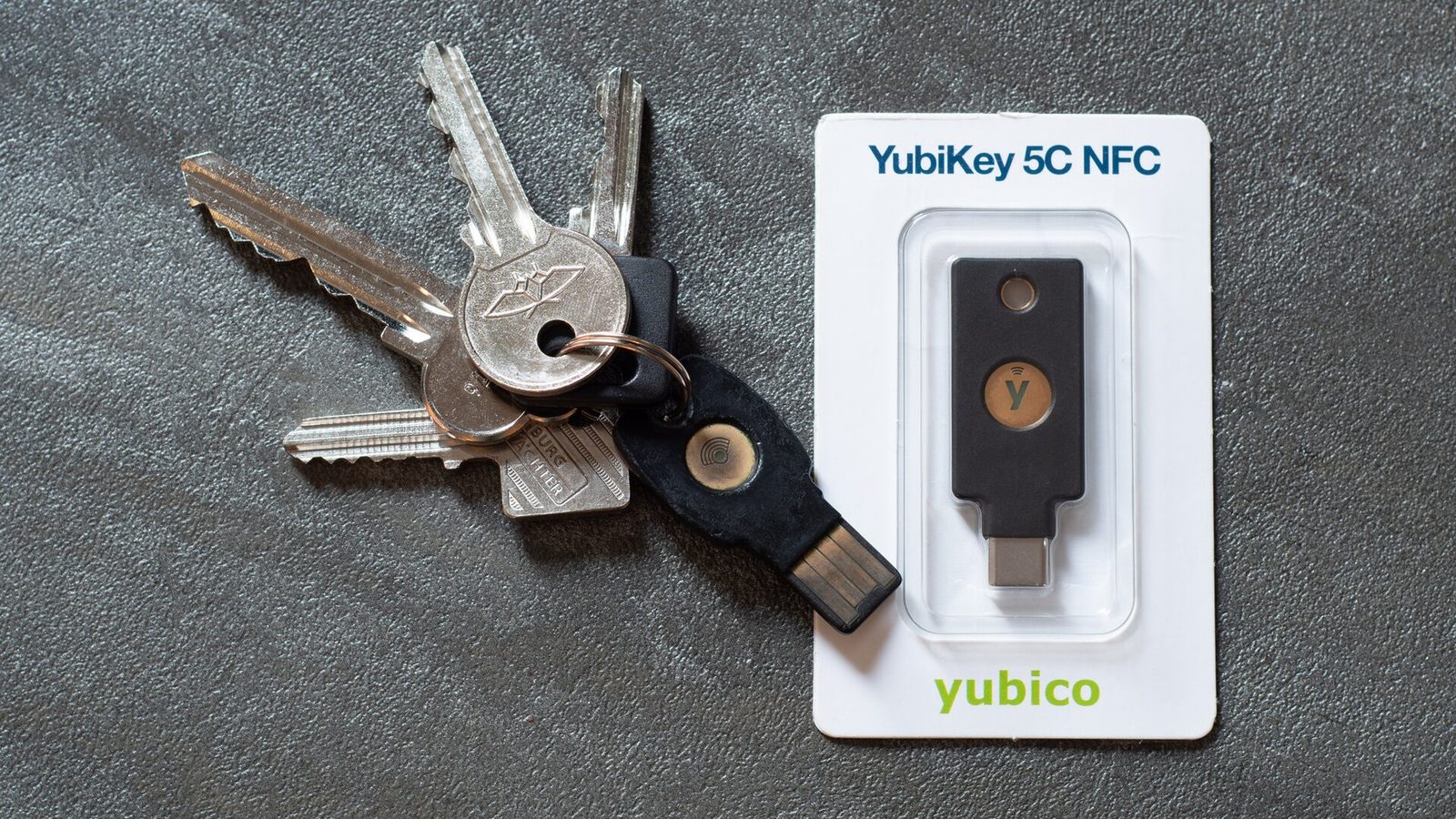
A one time code can be relayed by a fake login page in seconds. A passkey cannot, because it only answers to the real site it was created for. The difference is the whole guide.
By Nina Petrova · November 10, 2026
 Research
Twenty additions in eighteen days, then four more. The autumn entries in CISA’s exploited vulnerabilities catalog reward a close read: the chains matter more than the scores.
By Devon Cross · November 10, 2026
 Vulnerabilities
One URL-encoded letter lets ShinyHunters walk around web application firewall rules blocking its favorite attack path, re-targeting servers that blocked the endpoint with WAFs instead of patching. Mandiant confirmed the flaw was exploited as a zero-day in May and June.
By Owen Barrett · October 10, 2026
 Research
Ikotas Labs took Master of Pwn with $361,000 after a $300,000 Pixel 10 exploit chain on day three. Apple’s iPhone 17 was eligible but saw no attempts, and vendors now have 90 days to ship patches before the Zero Day Initiative discloses.
By Devon Cross · October 10, 2026
 Vulnerabilities
Three stack-based buffer overflows in the NGOAM feature let unauthenticated attackers run arbitrary code with root privileges on Nexus 3000 and 9000 Series switches. Cisco says there are no workarounds, patching is the only remediation.
By Devon Cross · October 10, 2026
 Vulnerabilities
CVE-2026-21589 lets unauthenticated attackers read files in an Atlassian application’s web root, including plaintext credentials in Crowd-integrated Jira deployments. Honeypot operators saw exploitation attempts begin within about two hours of a public proof-of-concept.
By Nina Petrova · October 10, 2026
 Breaches
The retailer says an attacker impersonated a trusted contact to steal employee login credentials, then accessed information on third-party platforms. Customer names and contact details were exposed, but not passwords or payment data. This is distinct from an earlier August breach.
By Graham Ellis · October 10, 2026
 Research
A CVE is an identifier, not a verdict. Here is how IDs are assigned, what the NVD adds on top, and why the same flaw can carry two different severity scores.
By Devon Cross · October 10, 2026
 Research
An attacker’s claim is the start of an investigation, not its conclusion. This is the verification ladder HackedWire climbs before it calls a breach confirmed, worked through with the ASOS incident as the example.
By Tessa Quinn · October 10, 2026
 Research
CISA defines ransomware as malware built to encrypt files and render systems unusable, increasingly paired with data theft. This guide distills the #StopRansomware Guide into what to have ready before an incident and what to do when one lands.
By Owen Barrett · October 10, 2026
 Research
A vulnerability report starts a clock. Who gets told, how long they get, and when the details go public, the rules that turn private findings into patched systems.
By Nina Petrova · October 10, 2026
