
Threats
California Subpoenas Nvidia as Bonta Opens a State Investigation
California’s attorney general has served an investigative subpoena on Nvidia, opening a state inquiry into whether the company’s chips or confidential information reached China and whether investors were misled. It is a demand for information, not a charge, and no violation has been found.
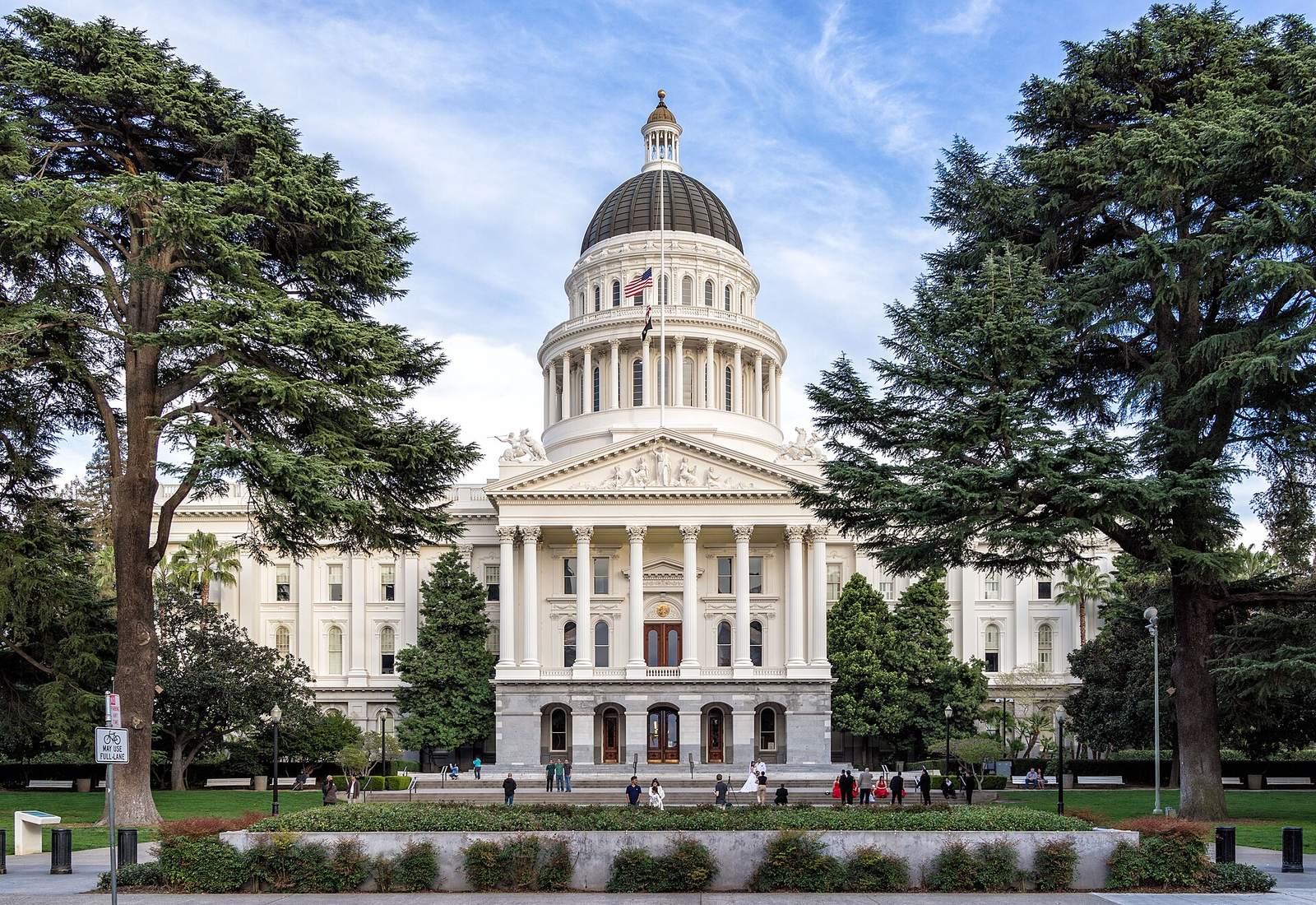
Photo: Andre m, CC BY-SA 3.0, via Wikimedia Commons
California Attorney General Rob Bonta served an investigative subpoena on Nvidia on Thursday, November 19, his office announced in a statement issued from Oakland. The subpoena follows the reports that ended Jensen Huang’s tenure as chief executive: his relationship with Alice Huang, a former executive of the Singapore company Megaspeed whom United States authorities suspect of working for Chinese state intelligence. Alice Huang is not related to Jensen Huang, and the suspicion about her remains a reported allegation. No one in this matter has been charged with anything.
Bonta left no doubt about why the state is stepping in. “The conduct of Nvidia and its former CEO raises bright red flags, including about the ways in which the company may have misled investors,” he said. His office is investigating whether the actions of Nvidia or of Huang “resulted in China obtaining advanced chips or confidential information,” and whether Nvidia misled investors and the public about that risk, in violation of California law. The information the subpoena seeks, the office said, will be used to determine whether Nvidia violated state law. Bonta also framed the case as a matter of disclosure principle: “Nvidia is in a messy, transnational situation but the underlying principle of our corporate securities law is clear: Companies cannot mislead their investors.”
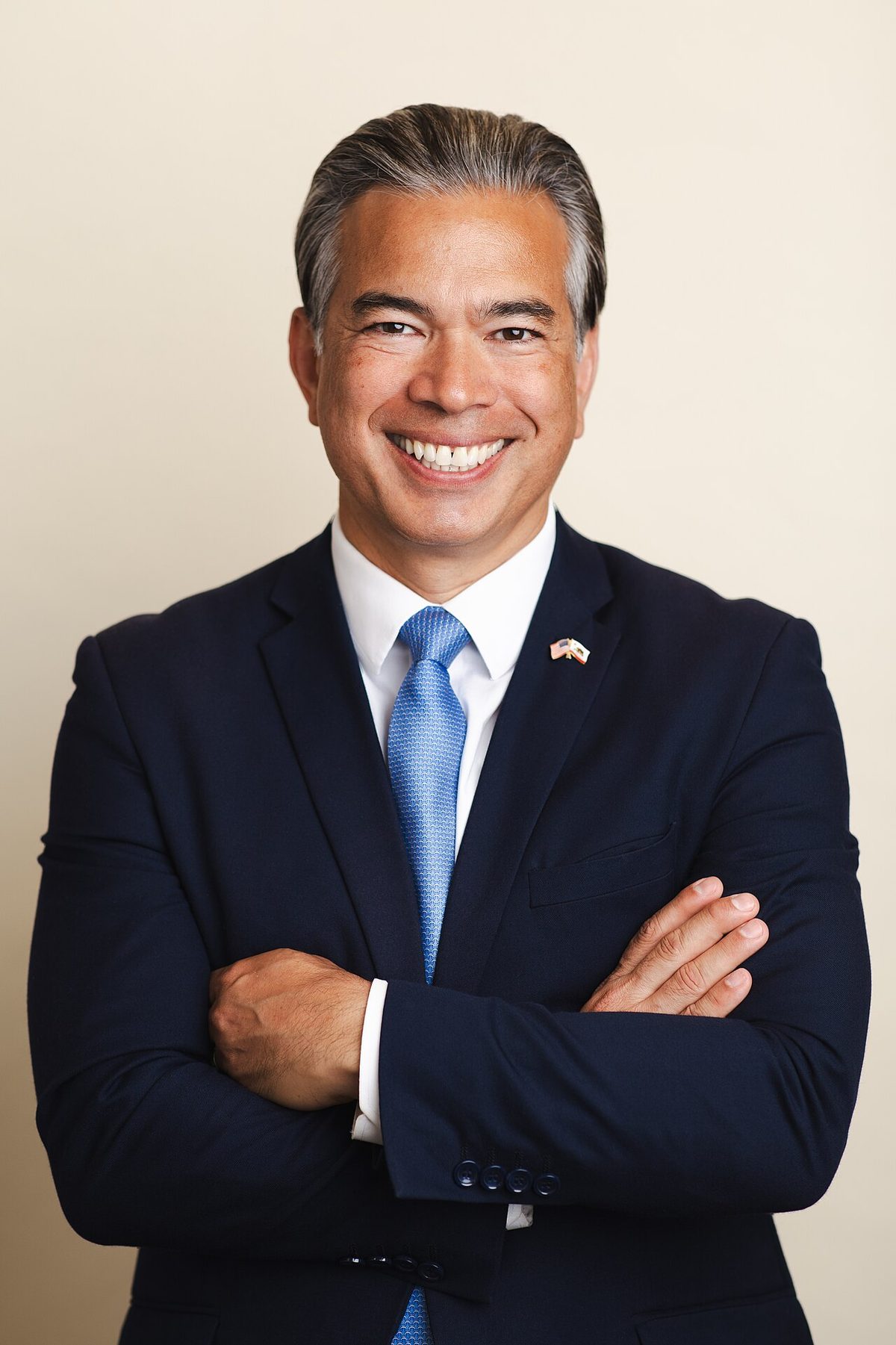
Photo: Douglas Despres, California Attorney General’s Office, via Wikimedia Commons
A demand for records, not a finding
The step California took on Thursday needs to be read for what it is. An investigative subpoena compels a company to hand over information; it is not a lawsuit, not a charge and not a ruling. Bonta’s office has found no violation, and nothing in its statement claims that chips or confidential information actually reached China. Whether any transfer happened is one of the questions the investigation exists to answer. The underlying intelligence allegation, that Alice Huang acted for Beijing, likewise remains unproved: Reuters has reported that United States intelligence agencies are still working to establish the extent of her ties to China’s Ministry of State Security, and China has rejected the espionage allegations outright. Nvidia, which is based in Santa Clara, California, did not immediately respond to a request for comment on the subpoena, the Wall Street Journal reported.
Bonta has signalled that Thursday’s subpoena may not be the last. He told Politico that other subpoenas might follow, depending on what Nvidia produces, and that he expects the company to cooperate.
The fifth front
The state investigation lands on top of four inquiries already running. Nvidia’s board opened an independent investigation on November 8, run by outside counsel, and has published no findings; Huang resigned on November 12, and the board said this week, on the record, that it does not intend to reinstate him, as we reported in our account of the earnings call. Congress is working the same file from several directions at once: Huang has agreed to a closed-door transcribed interview with three House committees on December 1 and to appear before the Senate Banking Committee at a public hearing whose date is not yet set, and the Energy and Commerce Committee has asked Nvidia, the Commerce Secretary and his export-control chief for briefings by December 2. The federal export-control track produced its own milestone this week, when the Commerce Department’s remote-access rule took effect, the subject of our previous report. Our account of the resignation itself is here.
What distinguishes Bonta’s front is its legal theory. The congressional and export-control inquiries ask, in the main, about chips and security controls. The California investigation is framed on investor disclosure, the same ground as the private litigation already in court: a securities class action pending against Nvidia, in which a plaintiffs’ firm said this week that the class period now runs to November 12, 2026, the day Huang’s resignation was announced, with a lead plaintiff deadline of January 8, 2027. It is also the ground of the reported federal probe: the Securities and Exchange Commission is investigating Nvidia, the Wall Street Journal has reported, though neither the Commission nor Nvidia has confirmed that on the record. The House Foreign Affairs Committee added a further data point on Thursday: by its count, close to 900,000 advanced AI chips from Nvidia and AMD won approval for shipment to Chinese buyers in the six months from December 2025 to May 2026, though the committee could not say how many actually went. Nvidia’s reply was that the approvals were narrow and tightly conditioned, and that H200 shipments to China have ended.
What happens next
The immediate test is production: what Nvidia hands over, and whether the Attorney General’s office follows with the further subpoenas Bonta has floated. A court filing in California, or an Nvidia securities filing disclosing the subpoena, would mark the state front’s escalation; neither had appeared as of Friday morning. The congressional calendar runs first in any case, with Huang’s transcribed interview on December 1 and the requested Energy and Commerce briefings on December 2. Through all of it, the two absences that have defined this case since November 8 remain: Megaspeed is still not on the Commerce Department’s Entity List, and no charge has been brought against any person or company in the matter.
No corrections have been published for this article.