
Threats
Nvidia Posts a Record Quarter as Its Board Rules Out a Huang Return and Congress Widens the Inquiry
The first earnings report of the post-Huang era paired the largest quarter in the company’s history with a closed succession question, a stopped China business, and a congressional file that now runs through four House committees and the Senate Banking Committee.
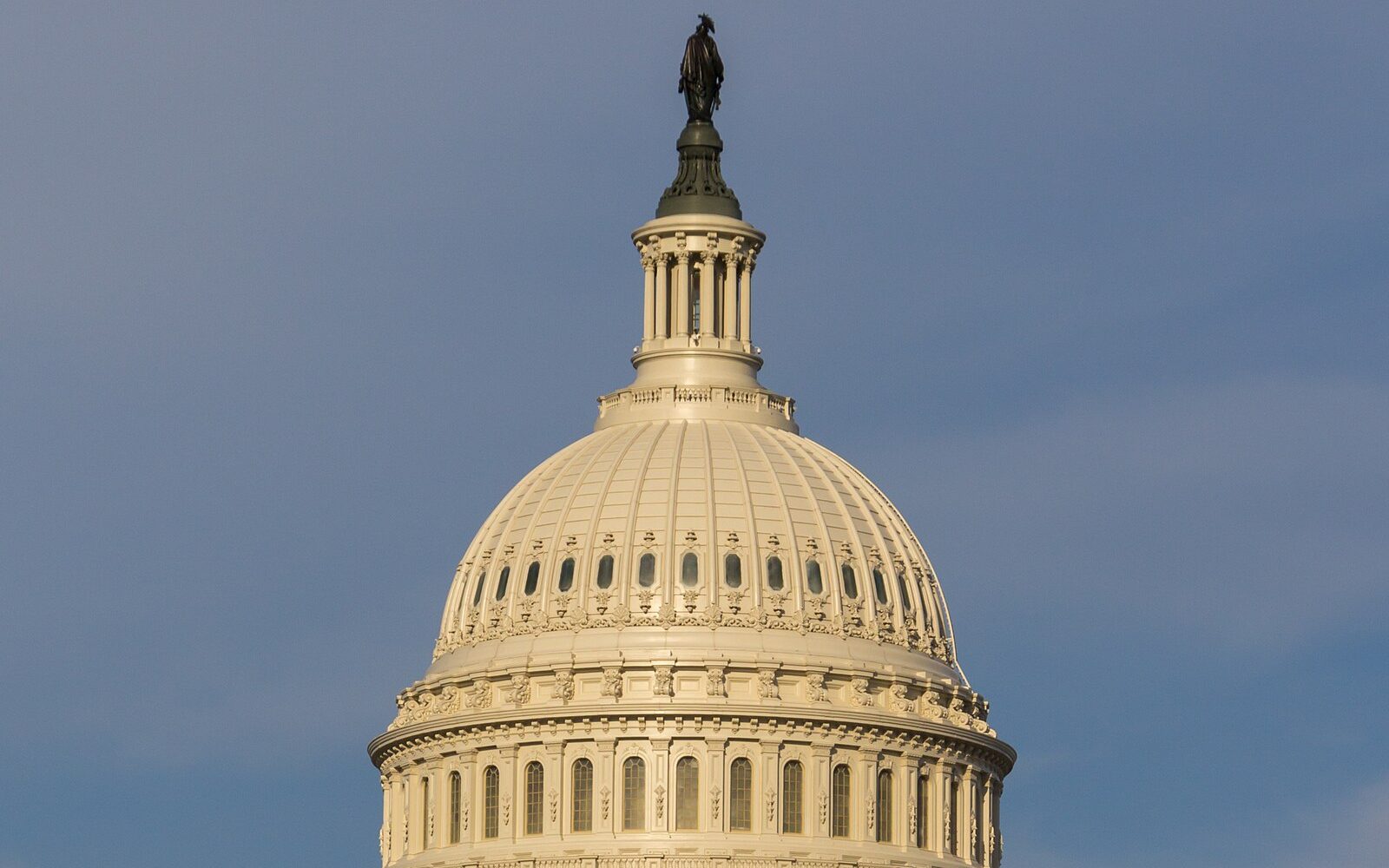
Photo: Mike Peel, CC BY-SA 4.0, via Wikimedia Commons
Nvidia reported third-quarter fiscal 2027 results on Tuesday, November 17, for the quarter that ended October 25, before the scandal broke. Revenue was $115.8 billion, up 20 percent from the previous quarter and 103 percent from a year earlier. Data center revenue was $107.6 billion, up 110 percent year on year. GAAP earnings were $2.70 per diluted share and non-GAAP earnings $2.68, on GAAP net income of $65.3 billion. The company returned $28.1 billion to shareholders in buybacks and dividends during the quarter, and its Vera Rubin NVL72 platform has begun shipping. For the fourth quarter, which carries an extra week, Nvidia guided to revenue of $130.0 billion, plus or minus 3 percent.
The board closes the succession question
The numbers were not the news. Opening the earnings call, board chair Harvey C. Jones put the board’s position on Jensen Huang on the record. Huang, Jones said, resigned voluntarily after the disclosure of personal behavior inconsistent with the company’s code of conduct, its standards and its cultural norms. The board accepted that resignation unanimously, and Jones stated that it “does not intend to reinstate Jensen as CEO.” The board has retained Heidrick & Struggles to run the search for a permanent chief executive, and Jones said the company would not take questions on the call about the circumstances of the resignation or the ongoing investigation. Hours earlier, Huang had posted on X that he would be honored to return as chief executive if the board decided a return served the company’s best interest. The board’s answer, delivered the same evening, ends the comeback speculation that unnamed sourcing had kept alive since Sunday: the stated position of the board is now public, unanimous and on the record.
China shipments have stopped
Interim chief executive and chief financial officer Colette Kress used the call to close out the licensed China business. Sales of licensed Hopper data center products to China were $2.4 billion in the quarter, a little over 2 percent of data center revenue. That flow has now ended: “we are no longer shipping licensed Hopper Data Center products to China,” Kress said, and the company’s guidance includes none. The fourth-quarter outlook in the results release is drawn on the same basis: Nvidia states that its outlook assumes no data center compute revenue from China at all. The timing is not incidental. The Commerce Department’s interim final rule on remote access to advanced semiconductors, the subject of our previous report, took effect today, Thursday, November 19, on publication in the Federal Register. Comments on the rule are due to the Bureau of Industry and Security by January 19, 2027, and data center arrangements already in place have 90 days from today to obtain a license.
A fourth House committee opens its own inquiry
On Wednesday, November 18, the House Committee on Energy and Commerce became the fourth House panel in the case. Chairman Brett Guthrie wrote to Kress, to Commerce Secretary Howard Lutnick and to Under Secretary Jeffrey Kessler, requesting separate briefings no later than December 2. The letter to Nvidia says the committee is conducting oversight of the company’s actions in relation to two sets of allegations: the reported relationship between Huang and Alice Huang of Megaspeed, and allegations that a senior Nvidia official sought to intervene in a federal investigation. The intervention allegation is the committee’s characterization of published reporting, which the letter cites; it is an allegation, not a finding, and no charge against any Nvidia official has been reported. In the letter’s words, the reported events “raise questions about the company’s compliance with existing federal law regarding the export of advanced technologies,” and about the strength of its security controls. The request to Commerce asks how the department implements and enforces the advanced-chip export restrictions. A briefing request is an oversight step, not a conclusion, and Nvidia has not publicly responded to the letter.
House Democrats take the question to Cantor Fitzgerald
The same day, three House Democrats opened a second front, aimed not at Nvidia but at the firm the Commerce Secretary’s family controls. Ranking members Jamie Raskin of Judiciary, Gregory Meeks of Foreign Affairs and Sydney Kamlager-Dove wrote to Cantor Fitzgerald chairman Brandon Lutnick demanding records to establish whether Secretary Howard Lutnick’s export-control decisions, including keeping Megaspeed off the Entity List, were shaped by the firm’s holdings and business interests. The letter, dated November 17, seeks every Nvidia trade Cantor Fitzgerald has made since January 1, 2024, an accounting of its dealings in China and Southeast Asia, its internal and client communications on export controls and suspected chip smuggling, what it said to the Commerce Department about Nvidia and Megaspeed, and records concerning Asian data center projects and the President’s reported Nvidia investments. It also requires the firm to preserve everything relevant, encrypted messages and work communications on personal devices included, and to confirm in writing by December 1 that preservation is in place. The lawmakers’ announcement states that Cantor Fitzgerald had disclosed more than 3.5 million Nvidia shares before Lutnick became secretary, cut its reported holdings by nearly half between September 2025 and March 2026, and some $310 million of Nvidia shares were still on its books when March 2026 ended. Cantor Fitzgerald has denied the letter’s claims as inaccurate and baseless, and has said its Nvidia shares chiefly hedge client trades rather than forming a material proprietary position. No finding, charge or ethics determination against the secretary or the firm has been reported.
The Senate track, and what happens next
Huang’s own congressional calendar is filling in from the other end of the Capitol. Politico reported on November 17, citing a spokesperson for Senate Banking chairman Tim Scott, that Huang has agreed to appear before that committee at a public hearing; no date has been set. Scott, who first asked for December 3, said on CNBC on November 18 that both Huang and Lutnick have agreed to appear, that he wants a public hearing, and that he hopes the process is completed before Christmas. Huang’s agreed closed-door transcribed interview with the three House committees stands for December 1, with general counsel Tim Teter’s session on December 2, the same date as the Energy and Commerce briefing requests. Kessler is asked before House Foreign Affairs on December 3, and Lutnick’s Senate Banking appearance has been discussed for December 10. Two absences still define the case. Megaspeed remains off the Entity List, and the board’s investigation, run by outside counsel since November 10, has published no findings. Our account of the resignation is here.
No corrections have been published for this article.